How Errors Make Your Coins Valuable
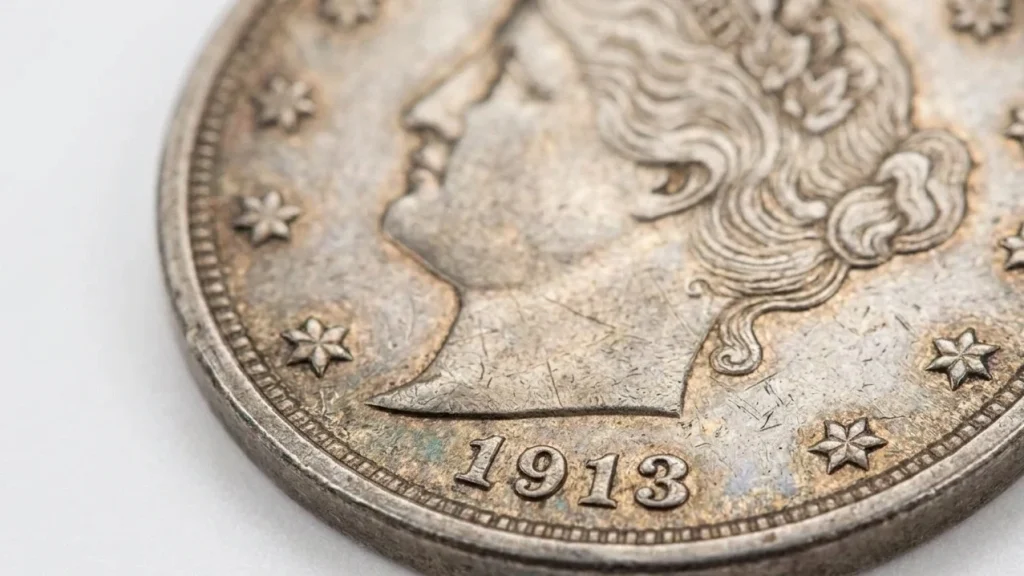
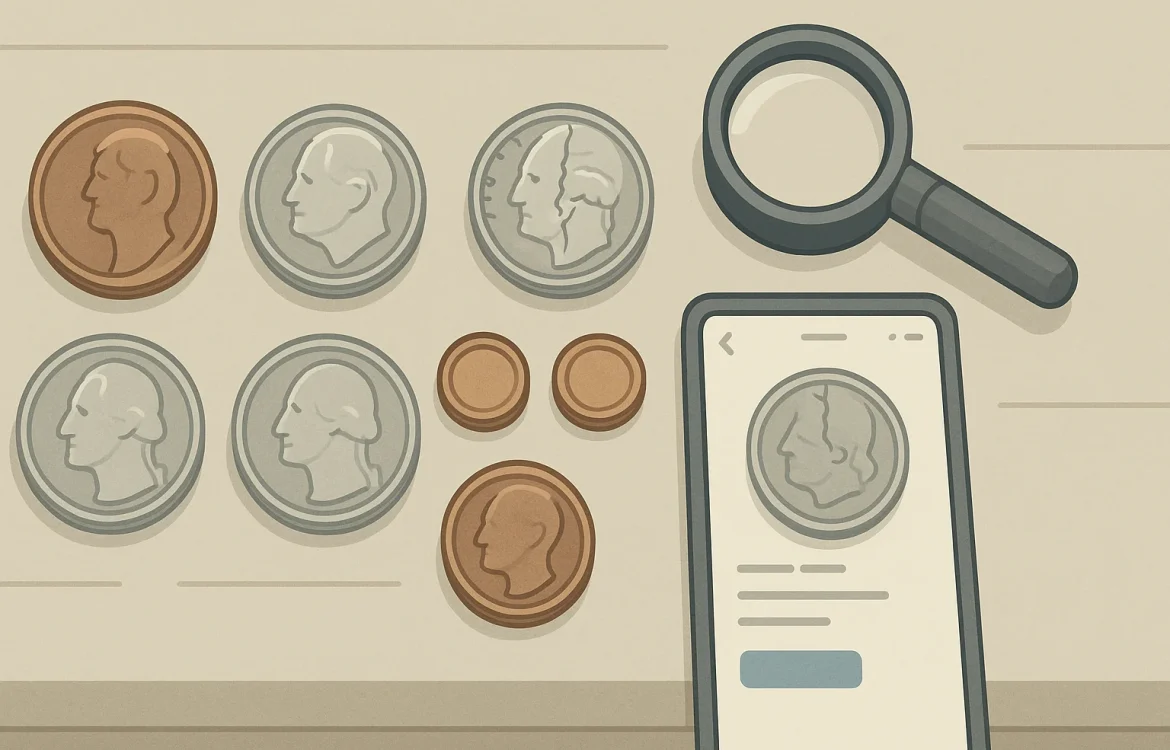
Mint error collecting is one of the most dynamic and rewarding areas of numismatics. While millions of coins roll out of national mints each day, only a tiny fraction emerge with unintended flaws. These accidents — off-center designs, doubled inscriptions, clipped planchets, or cracked dies — transform normal currency into unusual collectibles.
For beginners and seasoned collectors alike, understanding why these mistakes happen and how they change a coin’s value is the first step toward discovering hidden treasures. Learn how to use the best coin identifier app and notice unusual strike variations with your own eyes.
What Exactly Is a Mint Error?
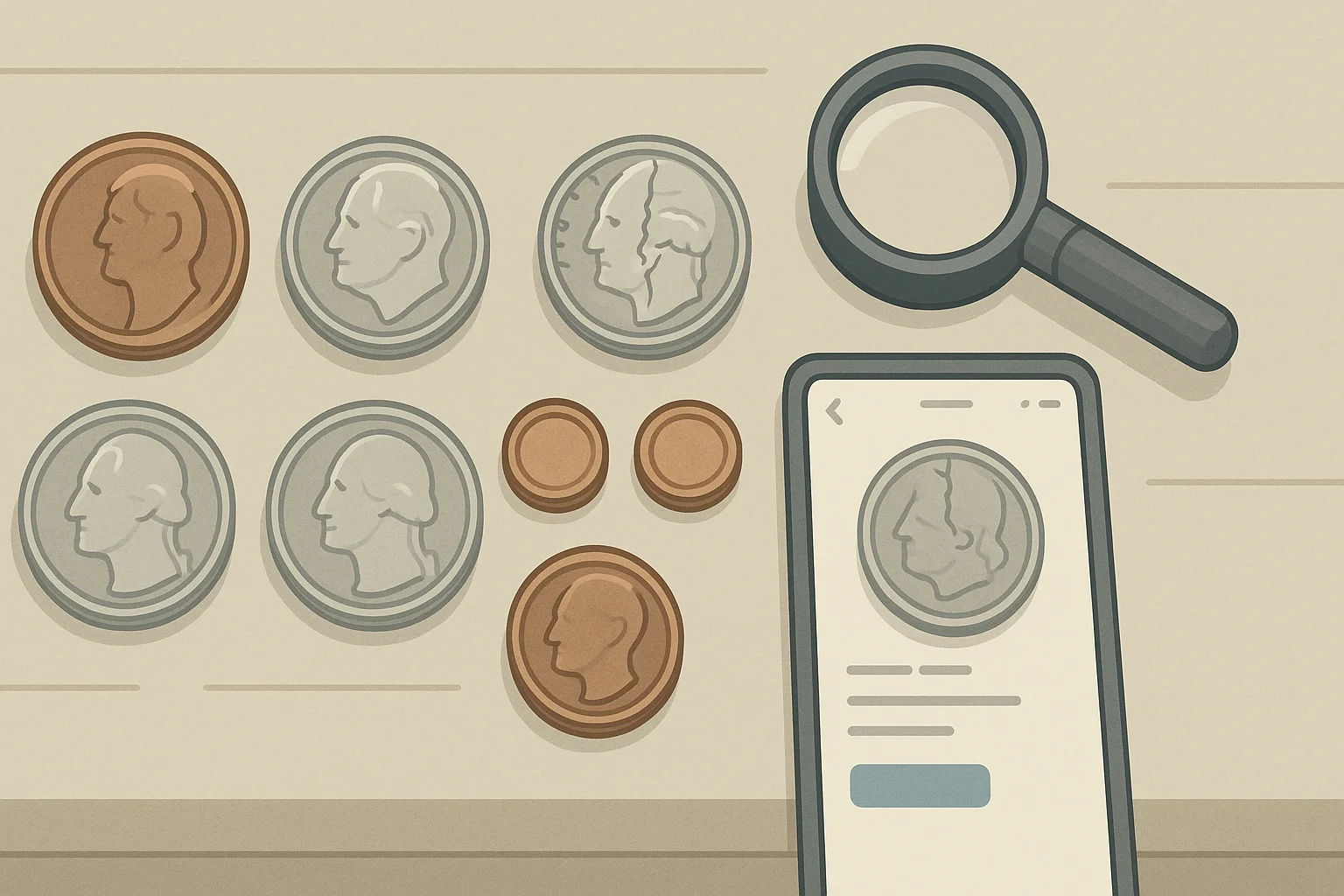
A mint error occurs when something goes wrong during the coin-making process. Coins move through several stages — blanking, upsetting, stamping, and inspection — and a disruption at any stage can leave visual traces. These mistakes are unintentional and usually caught before circulation, which makes surviving examples surprisingly scarce.
Mint errors are very different from post-mint damage. A coin bent, scratched, or altered after leaving the mint is simply damaged and carries no premium. Genuine errors originate inside the mint, follow clear categories, and show unmistakable characteristics.
Common Types of Mint Errors
Collectors typically encounter several well-known error categories, each with its own appeal and price potential:
- Off-Center Strikes — The design appears shifted or partially missing because the blank wasn’t properly aligned during striking.
- Doubled Dies — A misalignment during die creation results in letters, dates, or images appearing doubled.
- Clipped Planchets — Part of the coin looks “cut away” due to irregular blank shapes.
- Die Cracks & Cuds — Raised lines or blobs form when a die develops cracks or pieces break off.
- Repunched Mint Marks — A mint mark is punched more than once, creating overlapping impressions.
These errors vary from subtle to dramatic. The more noticeable and unusual the flaw, the more interest it typically generates.
Why Mint Errors Matter to Collectors
Mint errors combine rarity with strong visual impact. They stand out instantly, offer an unusual twist on familiar designs, and tell a story about the minting process itself. Error coins appeal to:
- Collectors who enjoy unusual, eye-catching pieces
- Investors who understand their scarcity
- History and production enthusiasts curious about how the mistake occurred
Some error coins, like the 1955 Doubled Die Lincoln Cent or the 2000 “Cheerios” Sacagawea Dollar with enhanced detail, became iconic pieces worth hundreds or thousands of dollars.
Rarity: The Core Reason Errors Gain Value
The mint’s quality-control systems are strict. Only a tiny fraction of mistakes escape into circulation or collector products. That scarcity drives premiums. An error does not guarantee high value on its own — but when the flaw is dramatic, rare, and visually clear, interest spikes rapidly.
How Different Errors Influence Value and What Collectors Look For
Not all mint errors carry the same value. Some flaws are dramatic and rare, while others are common or minor. Understand what distinguishes valuable errors from ordinary ones to make informed decisions, avoid overpaying, and recognize genuine opportunities in circulation, online listings, or dealer inventories. You don’t need years of experience or expensive courses to notice such examples — the best free coin identifier app will be a great start.
What Makes an Error Valuable? Key Factors
Three main elements determine an error coin’s desirability:
- Visibility — Errors that are instantly noticeable attract more attention.
- Rarity — The fewer examples known, the more competitive the market becomes.
- Demand — Some errors become famous, creating long-term collector interest.
Coins with small die cracks or faint doubling may still be interesting, but major off-center strikes or dramatic doubled dies usually command higher premiums.
High-Value Error Types and Why They Stand Out
Certain error categories consistently perform well at auctions and private sales due to their bold appearance and strong collector demand:
1. Dramatic Off-Center Strikes
An off-center coin with a clear date and mint mark is highly prized. For example, a 50–75% off-center strike with visible year information can sell for many multiples of face value.
2. True Doubled Dies
Not to be confused with machine doubling, real doubled dies are created during die production and show sharp, repeated elements. Famous examples include:
- 1955 Lincoln Cent Doubled Die Obverse
- 1969-S Doubled Die Cent
- 1972 Doubled Die Cent
These coins often rank among the most celebrated U.S. errors.
3. Clipped Planchets
Partial clips, curved clips, and straight clips occur when blanking sheets overlap during production. Clean, natural edges and correct metal flow confirm authenticity.
4. Die Breaks and Cuds
Large cuds — raised blobs where part of the die broke away — drastically change a coin’s appearance and can be highly collectible.
5. Transitional Errors
Coins struck using the wrong metal composition, such as a bronze 1983 Lincoln cent or wrong-planchet nickel, are extremely rare and command significant premiums.

Examples of Notable Error Coins
Here are some well-known errors that shaped collector interest:
| Error Type | Coin Example | Why It’s Valuable |
| Doubled Die | 1955 Lincoln Cent | Strong doubling, iconic status |
| Off-Metal Strike | 1943 Bronze Lincoln Cent | Extremely rare composition error |
| Off-Center Strike | 2001 State Quarter | Dramatic appearance, date visible |
| Clip Error | 1964-D Jefferson Nickel with curved clip | Authentic clip shape and flow lines |
| Die Cud | 1982 Lincoln Cent with large cud | Bold, easily visible break |
How to Evaluate an Error Coin as a Beginner
When examining an error coin, look for:
- Clear separation in doubling (for doubled dies)
- Natural metal flow and texture (for clips and cuds)
- Strong strike characteristics despite the error
- Presence of date and mint mark
- Lack of signs suggesting post-mint damage
Over time, you’ll learn to distinguish genuine mint errors from damage caused by circulation, tools, or environmental factors.
Where Error Coins Are Commonly Found
Many collectors discover errors in:
- Pocket change
- Coin rolls from banks
- Bulk world coin lots
- Dealer bargain bins
- Online auctions
- Estate collections
Error hunting keeps the hobby exciting because rare finds can appear unexpectedly in everyday circulation.
How to Identify Error Coins With Confidence and Avoid Common Pitfalls
Spotting a genuine mint error requires patience, a trained eye, and the right approach. For beginners, the challenge is separating true mint mistakes from ordinary damage. With structured evaluation and smart use of a coin appraisal app and other digital tools, you can confidently identify real errors, verify details, and protect your collection from misrepresented coins.
How to Confirm a Real Mint Error
Before assuming a coin is valuable, examine it carefully:
- Check the surface: Look for raised lines or shapes caused by die issues, not scratches or gouges.
- Inspect the edges: Clipped planchets should show proper metal flow, not sharp cuts that look artificial.
- Compare doubling: True doubled dies have clear separation, while machine doubling appears flat or shelf-like.
- Weigh and measure: Wrong-planchet errors become obvious when a coin deviates from official standards.
- Study consistency: Authentic errors follow known patterns; unusual shapes or extreme damage often indicate post-mint alteration.
Learning these patterns helps you avoid misidentifying damage as a mint error.
Using Technology to Verify and Understand Errors
Modern tools make it easier for collectors to validate their findings. A quick check can confirm whether the error is known, documented, and potentially valuable.
The Coin ID Scanner app provides a simple, beginner-friendly way to verify coins:
- Identification by photo
- Official specs like weight, metal, and mint years
- A large global database
- Digital collection tracking
- AI guidance for error-related questions
This concise support helps collectors determine whether a coin’s features align with known error varieties.
Avoiding the Most Common Mistakes
While error coins can be valuable, new collectors often fall into predictable traps. Keep these warnings in mind:
- Don’t confuse damage with mint errors: Bent edges, heat damage, and scratches are common misinterpretations.
- Avoid cleaned or altered coins: Cleaning reduces value and may obscure real errors.
- Be wary of exaggerated online listings: Some sellers label ordinary coins as “rare errors” to inflate prices.
- Seek certification for high-value pieces: Grading services like PCGS or NGC provide trusted verification.
- Document your finds: Notes, weights, and photos help track authenticity and future value.
How Error Coins Enhance Your Collection
Mint errors bring a unique personality to any collection. They offer:
- Conversation pieces with clear visual differences
- Educational insight into minting processes
- Investment potential due to scarcity
- Opportunities for discovery in everyday circulation
Error collecting keeps the hobby exciting — even routine coin rolls can surprise you with rare finds.
Mint errors turn ordinary coins into standout collectibles by combining rarity, visual appeal, and unexpected minting quirks. Ыolid understanding of error types, careful inspection habits, and the help of digital tools like Coin ID Scanner brings you true confidence. Error hunting adds depth, discovery, and excitement to coin collecting — making each new find a small piece of minting history worth appreciating.