
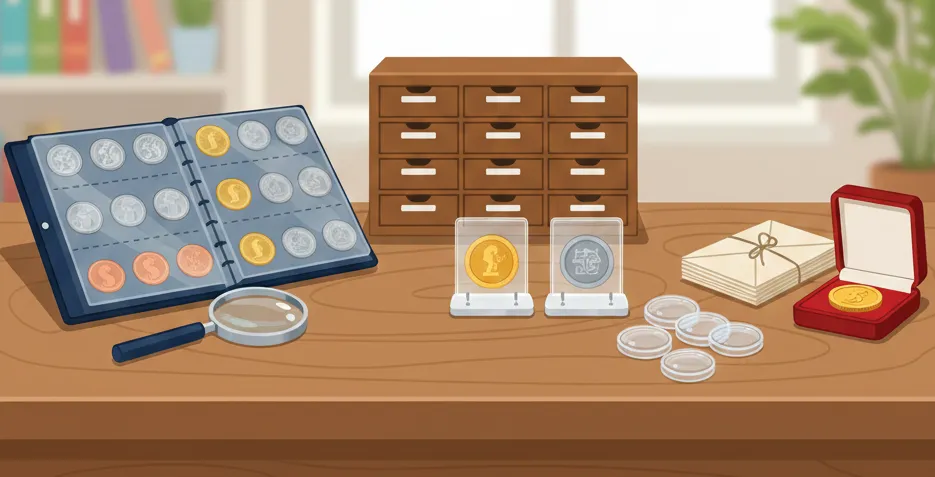
How to Store and Protect Valuable Pennies
A successful transaction and the purchase of valuable coins is only half of the business; now it is very important to keep their value and not let them become cheap over time.
Correct storage of pennies worth money, especially high-cost pennies, and remains the basis for their long-term preservation and value protection.
Copper items, including the Indian Head Penny and the Lincoln Penny, show high sensitivity to the surrounding environment, with metal easily reacting to moisture and oxygen, resulting in unwanted color changes or even bronze disease.
Choosing the wrong storage materials or handling the coin incorrectly may lower its market value quickly.
Main Rules for Handling Coins
Before placing a penny into storage, mastering correct handling methods remains necessary, avoiding physical damage and preventing chemical transfer skin surface.
- Always handling coins using clean, soft cotton or nitrile gloves, preventing oils, salts, and acids found finger surfaces from causing lasting spots and uneven patina copper coin surface.
- If gloves are unavailable, holding the coin only rim-side, staying away from contact front and back sides, stopping fingerprints appearing, darkening over time, and becoming a permanent flaw.
- Conducting all actions with expensive pennies, meaning inspection or moving them, over a clean, soft cloth or mat, stopping coins from accidentally dropping onto a hard surface, causing dents or scratches, immediately lowering their grade and value.
Never attempting patina, dirt, or spots removal on collectible pennies, since cleaning, even the mildest kind, removes original shine and patina, seen by experts, leading to a lower rating.
Professional cleaning, when necessary, is performed only by experts.
Choosing the Right Storage Materials
Most collection damage comes not from bad handling, but from using low-quality storage materials, contain harmful chemicals.
Materials to Avoid
- Soft plastic, often found in cheap albums, contains polyvinyl chloride (PVC), a softener that slowly breaks down and releases acid, creating a sticky, green, or gray coating on the coins, fully destroying their surface.
- Paper containing sulfur reacts with copper, making oxidation happen faster and causing darkening.
- Cheap cardboard or cardboard frames, not made for coin collecting, may contain acid, resulting in corrosion.
If you are at a stage where you do not yet know all the fine metal networks of your particular coin, it is better to overdo it and use the coins value app to know for sure the best storage conditions.
Recommended Materials
Using only archival, inert materials remains recommended for expensive pennies.
- Slabs: Coins receiving professional grading (for example, PCGS or NGC) are placed into hard, sealed plastic holders, acting as the best protection method, with the coin staying safe from air, moisture, and physical contact.
- Acrylic Capsules: Capsules made of inert acrylic or polycarbonate, closing tightly, creating an air barrier, allowing safe inspection of the coin from both sides.
- Archival 2×2 Holders: Holders made of Mylar or polyester, containing no PVC or acids, are seen as safe for short-term and medium-term storage of uncertified coins.
| Coin Type | Recommended Storage Method | Risk of Damage |
| Certified Pennies (PCGS/NGC) | Sealed Slab | Low |
| Uncertified, Uncirculated (MS) | Acrylic Capsules or Mylar 2×2 Holders | Medium |
| Circulated Pennies (G, VG) | Albums with Polyethylene or Polypropylene Pockets | Low |
Environmental Control
Even a perfect capsule does not protect the coin if the storage location has unsuitable conditions. Controlling humidity and temperature stands as the next most defining factor for copper penny preservation.
- Humidity: Copper shows high sensitivity to high moisture levels, with the best humidity level for storing collectible coins being 40–55%.
High humidity, over 60%, may cause bronze disease, requiring the use of dehumidifiers or silica gel in storage cabinets.
- Temperature: Storing coins at a stable room temperature, avoiding sharp temperature changes and direct sunlight, which may cause quick moisture condensation and change the natural patina.
- Storage Location: Ideal storage locations remain dry, dark cabinets or safes, placed in the central part of the house, avoiding storage:
- in basements (high humidity)
- in attics (sharp temperature changes)
- near outside walls (moisture condensation)
- in garages (chemical fumes)
Extra Protection: Active Inertness
To protect expensive and coin scanner app checked pennies to the maximum degree, especially from leftover moisture and sulfur in the air, collectors use active inertness methods.
- Corrosion Inhibitors: Using anti-corrosion strips, for example, Intercept Shield inside boxes or cabinets housing the coins, absorbing gases causing corrosion, such as hydrogen sulfide and chlorine.
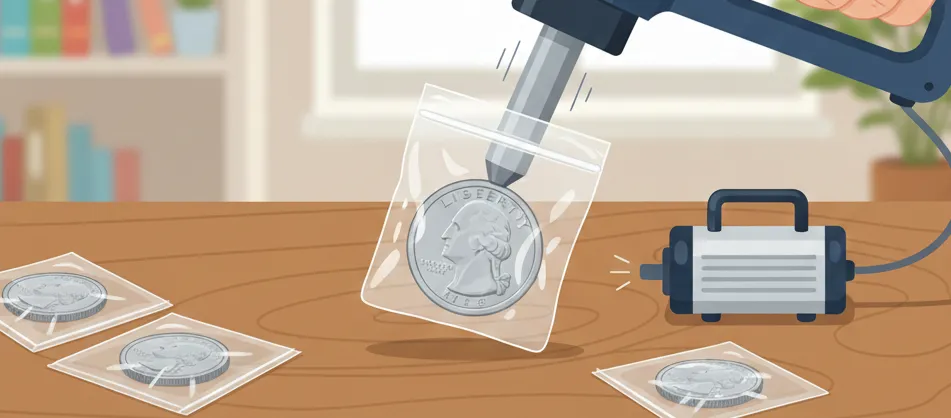
- Vacuum Storage: Coins not undergoing grading may be stored temporarily in vacuum containers with minimal air to stop oxidation.
Checking and Listing
Even with perfect storage conditions, regular checking of the collection remains necessary.
- Conducting a visual check of all expensive pennies once a year, especially uncertified ones, looking for any signs of green or blue coating, pointing to the start of corrosion.
- Making sure sealed slabs have no cracks and remain air-tight.
- List Updating: Keeping a complete list of all coins, noting the grade, purchase price, and location, is necessary for insurance and passing the collection on.
Correct storage of collectible pennies remains a continuous process, needing attention and the use of only high-quality, archival materials.
Investing in professional storage, the collector protects the financial and historical value of their rare coins from lasting damage, securing their preservation for future generations.
Latest Posts
- How to Store and Protect Valuable Pennies
- How Errors Make Your Coins Valuable
- Guide to Collecting American Quarters: Which Issues Are Worth of Your Attention?
- The Impact of Migration Trends on European Demographics and Social Cohesion

- The impact of remote work on urban real estate trends and suburbanization patterns
